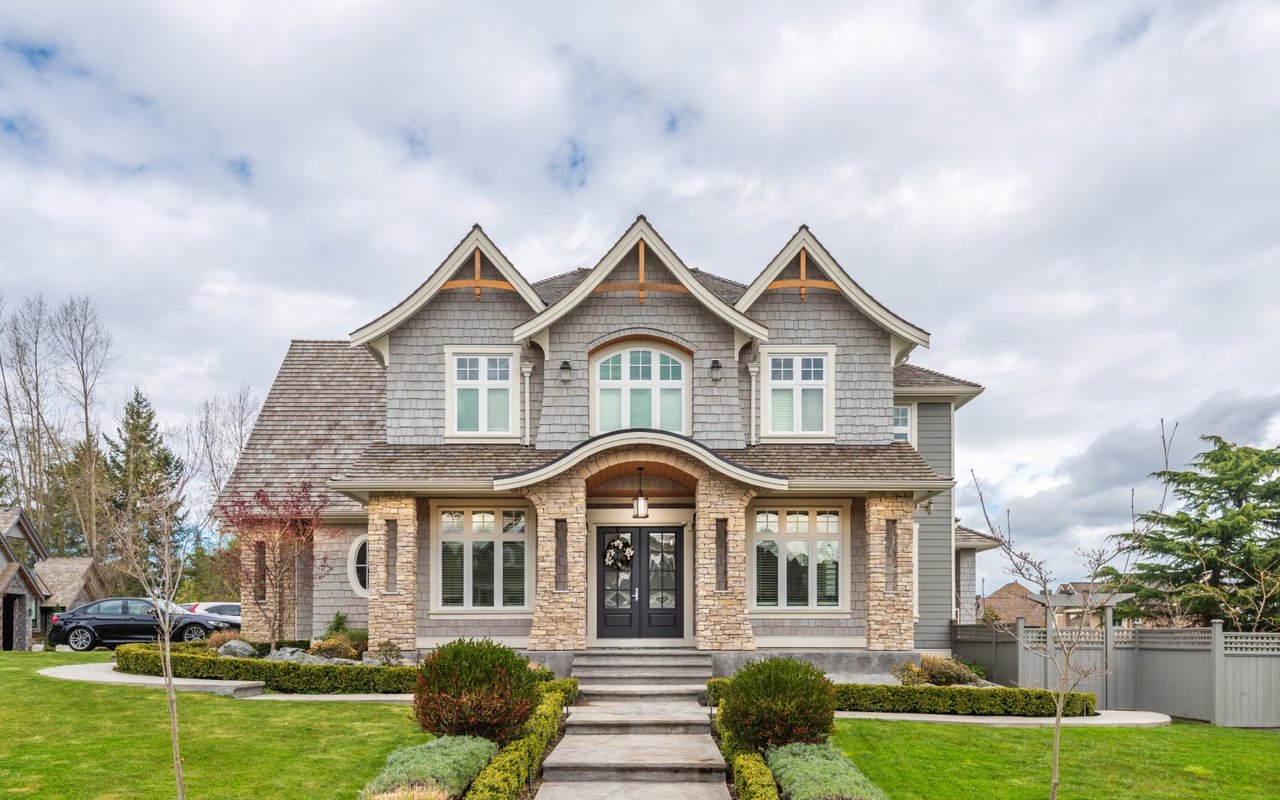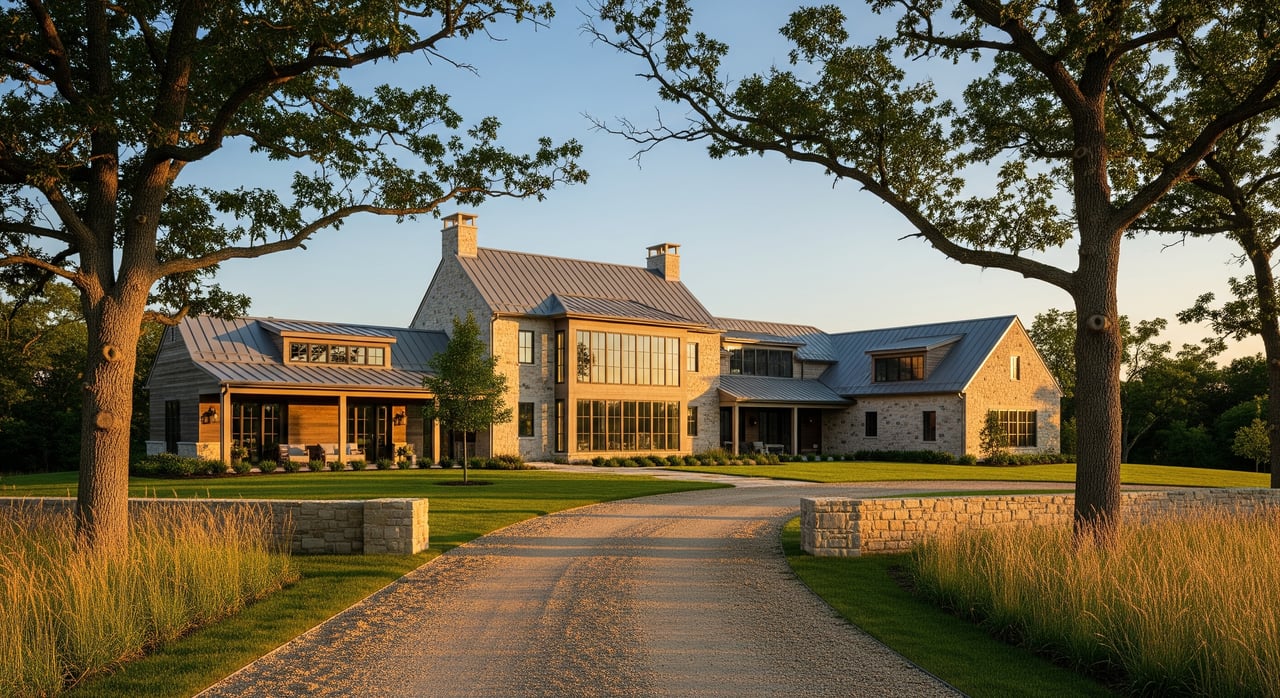
Thinking about building your own home on land in Piedmont but not sure how to finance it? You are not alone. Custom builds come with unique steps for loans, permits, and site work, especially on acreage. This guide walks you through the main loan options, the construction draw process, local approvals in Piedmont and Canadian County, and a realistic timeline so you can plan with confidence. Let’s dive in.
Your financing options
When you build, you usually choose between two structures. A single-close construction-to-permanent loan combines your construction financing and your long-term mortgage into one. You typically make interest-only payments during construction, then the loan converts to a regular mortgage after you receive your Certificate of Occupancy. Many borrowers like this for one closing and rate certainty.
A two-close approach uses a construction-only loan first, then you refinance into a permanent mortgage after the home is finished. This can offer flexibility while you build, but it includes a second closing, possible re-underwriting, and rate risk before you lock your final mortgage.
Down payment needs vary by program and lender. Conventional single-close loans often expect 15 to 25 percent combined equity from the lot and build. FHA one-time close options may offer lower down payments, and USDA single-close programs can allow 0 percent down in eligible rural areas. Program eligibility, builder requirements, and limits apply, so confirm with your lender for your specific property in or near Piedmont.
How construction draws work
Construction funds are released in stages called draws. Common milestones include foundation, framing, rough-ins, exterior finish, interior finish, and final completion. Before each draw, lenders usually verify work through inspections and request invoices and lien waivers.
Most lenders hold back a small percentage, often 5 to 10 percent, until final completion. During the build, you typically pay interest only on the amount drawn. The final draw usually requires final lien waivers and a Certificate of Occupancy, which also triggers your conversion to a permanent mortgage if you chose a single-close loan.
Building on acreage in Piedmont
If you are inside City of Piedmont limits, you will coordinate building permits and inspections with the city. If your land is in unincorporated Canadian County, the county governs many approvals, including access to county roads and septic and well permits. Always confirm your parcel’s jurisdiction before you start.
Inside City of Piedmont
Expect a plan review, building permit application, and staged inspections. You will coordinate utility connections for water, sewer if available, gas, and electric. Tap fees or impact fees may apply. The city issues the Certificate of Occupancy that your lender will need to close out the construction phase.
Unincorporated Canadian County
For rural acreage, confirm zoning, setbacks, and whether your lot is platted or unplatted. Driveway or culvert permits are commonly required for access to county roads. You will work with county and state contacts for septic and well approvals, and you may need floodplain clearance if the property is near mapped flood areas. Some inspections may be handled by county staff or third parties.
Utilities, septic, and well
If public water or sewer are not at the lot line, plan for a private well and an approved septic system. Many homes require a soil evaluation and engineered septic design, especially for larger homes or certain soil conditions. Extending utilities like electric, gas, or water mains can add significant cost and time, so get estimates early and share them with your lender.
A realistic timeline
Every project is different, but this outline can help you sequence your steps. Local review times vary, so check with the City of Piedmont or Canadian County for current timelines.
- Pre-purchase and land due diligence, 2 to 8 weeks
- Order a survey, check easements and flood zones, and do soils or perc testing. Verify whether your lot is in city limits or county jurisdiction.
- Land purchase or lot financing, 30 to 60 days
- Close on the land or plan to include it in your construction loan. Your lender may order an appraisal on the combined project.
- Design and lender pre-approval, 2 to 8 weeks
- Finalize plans and specs with your builder. Get preliminary approval based on your budget and contract type.
- Permitting and site approvals, 4 to 12 plus weeks
- Submit plans to the city or county. Apply for septic, well, driveway or culvert permits, and any utility taps.
- Loan closing and mobilization, 1 to 4 weeks
- Close the construction loan. Your builder begins site prep.
- Construction phase, 6 to 12 months
- Draws are paid at milestones. You make interest-only payments on funds disbursed.
- Final inspections, CO, and conversion, 2 to 6 weeks
- After final inspections and lien waivers, the city or county issues your Certificate of Occupancy. Your loan converts to a permanent mortgage or you refinance.
Total project time from land purchase through CO commonly ranges from 9 to 18 months depending on design complexity, weather, and review times.
Key decisions to make early
- Lot financing approach
- Decide whether to buy land now with a separate lot loan or include the lot in your construction-to-perm loan. Lender policies differ for raw acreage.
- Loan structure
- Choose between single-close for one closing and rate certainty or two-close for possible flexibility during the build.
- Builder and contract type
- Lenders typically want a licensed, insured builder and a fixed-price or guaranteed maximum price contract.
- Contingency planning
- Reserve a 5 to 10 percent contingency for change orders, site surprises like rock or groundwater, and material variability.
- Jurisdiction and permits
- Confirm if you are inside Piedmont city limits or in unincorporated Canadian County. Your permitting path and inspections depend on this.
- Septic, well, and utilities
- Get soils testing and a septic plan early. If you need a well, confirm drilling feasibility and timelines before you finalize budgets.
Budgeting and what to expect from lenders
Lenders look at your full project budget, including land value, plans, and a detailed cost breakdown from your builder. They often require contingency funds and proof of builder insurance. Expect fees for title and closing, appraisals, and draw inspections.
During construction, your payment is usually interest-only on amounts already drawn. At completion, your loan converts to a standard amortizing mortgage in a single-close structure or you refinance in a two-close structure. Keep your lender updated on change orders so your budget, timeline, and conversion terms stay on track.
Protecting yourself during the build
Ask your builder for a clear draw schedule and a list of subcontractors. Require lien waivers with each draw to protect against mechanics’ liens. Keep every receipt and approval letter. If your property is near a mapped flood area, get the correct documentation early so it does not delay permits or the final CO.
Next steps in Piedmont
- Verify your property’s jurisdiction and utility availability before you write offers on land.
- Speak with a lender experienced in Oklahoma construction-to-permanent loans and acreage. Ask about down payment requirements, inspection fees, and retainage.
- Line up soils and septic evaluations as soon as you go under contract on the lot. Share results with your builder and lender.
- Confirm current permit checklists and review times with the City of Piedmont or Canadian County offices.
If you want a local, detail-driven partner to coordinate the moving pieces, reach out. Janice Winchester brings legal-minded contract guidance, strong builder relationships, and hands-on new construction support across Piedmont and the OKC suburbs. Let’s map your plan, budget, and timeline together. Connect with Unknown Company to get started.
FAQs
What is a construction-to-permanent loan for Piedmont builds?
- It is a single-close loan that funds your build with interest-only payments during construction and converts to a standard mortgage after the Certificate of Occupancy.
How much down payment do I need for a custom home in Piedmont?
- Conventional options often require 15 to 25 percent combined equity, while FHA and USDA programs have their own guidelines. Confirm with your lender for your property and plan.
Can I include the cost of the lot in my construction loan?
- Sometimes. Many lenders allow the land’s value to count toward your equity if the lot is included in the construction-to-perm loan. Policies vary, so ask your lender early.
Who pays for inspections and third-party reports during construction?
- Borrowers typically pay for items like surveys, soil or perc tests, appraisals, and lender draw inspections. Builders pay subcontractors for construction work.
How long do permits take in the City of Piedmont or Canadian County?
- Timing varies by workload and submittals. Check directly with the City of Piedmont or Canadian County offices for current review times before you set your build schedule.
What happens if my perc test fails on acreage near Piedmont?
- You may need an engineered septic design, which can add cost and time. Share findings with your lender and builder so budgets and permits can adjust.
When do my regular mortgage payments start on a single-close loan?
- During construction you usually pay interest-only on draws. After you receive your Certificate of Occupancy, the loan converts and standard principal-and-interest payments begin.