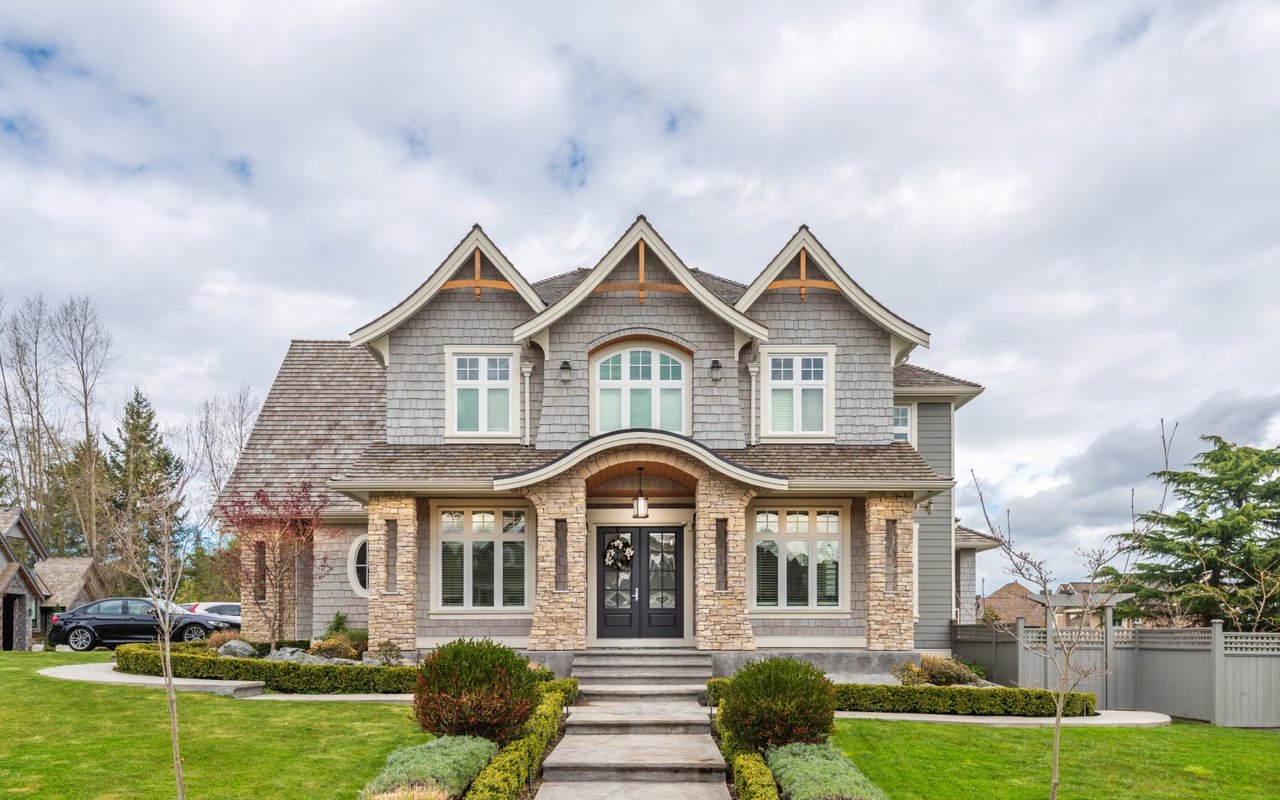
Thinking about listing your Yukon home this spring but unsure where to price it? You are not alone. Price sets the tone for your entire sale, from how many buyers see your listing to whether you spark multiple offers. In this guide, you will get a clear, step-by-step plan to price with confidence using local comps, price bands, absorption rates, and smart spring timing. Let’s dive in.
Why price strategy matters
Price affects visibility, showings, and final proceeds. Buyers search in price filters, so small differences around round numbers can make or break exposure. The right price can increase saves, showings, and your odds of competing offers.
Your goal is to balance exposure with net proceeds. You can list below market for quick attention, at market for balanced results, or above market if you have strong justification and patience. The key is to back every choice with data.
Build a Yukon CMA
A Comparable Market Analysis gives you a defensible value range and a recommended list price that fits your goals.
Define your market area
Work at the neighborhood and school zone level, not just citywide numbers. Consider commute radius to west Oklahoma City, subdivision patterns, and nearby amenities. Many buyers search by subdivision and school boundaries, so keep your area specific.
Select relevant comps
Use 6–12 comps that reflect your home’s micro-market. Prioritize solds from the last 3–6 months. If inventory is thin, extend to 6–12 months and include pending and active listings for context. Match hierarchy matters: same subdivision, similar lot size, same home type, similar age and condition, then beds, baths, and square footage.
Gather the right data
For each comp, collect sale price or list price, sale date, days on market, price history, concessions, effective price, heated living area square footage, price per square foot, lot size, year built, updates, garage count, basement or finished area if applicable, HOA fees, property taxes, and floodplain status. For actives and pendings, track current price, days on market, number of price changes, and showing feedback if available.
Normalize and adjust
Calculate price per square foot to normalize size differences. Make thoughtful adjustments for bedrooms, baths, lot size, condition, updates, and location nuances buyers value in Yukon. Document each adjustment and keep them reasonable and supported by market behavior.
Set your target price
Present a narrow indicated range with a single recommended list price that aligns with your goal for speed or maximum net. Explain your assumptions about seasonal demand and your marketing plan. This is your pricing roadmap.
Use price bands wisely
Buyers filter searches by price, often in $25,000 or $50,000 steps. Where you land can expand or shrink your buyer pool.
Identify local bands
Look at active inventory and recent sales to see where price activity clusters. Note common threshold points, such as 250,000 or 300,000, and how many homes sit in each band.
Count competition and exposure
For each possible list price, tally active listings in your band and estimate demand by monthly sales. This helps you see where competition is intense or light.
Use the edge effect
Pricing just under a round number, like 299,900 instead of 300,000, can capture buyers who set a max at the threshold and those searching the lower band. This can boost visibility and showings.
Stay defensible
Threshold pricing is a tactic, not a substitute for value. Keep your price justifiable by the CMA, and only lean into underpricing if your goal is to attract multiple offers.
Measure absorption and inventory
Absorption rate and months of inventory show the balance between supply and demand in your micro-market.
Key definitions
- Absorption rate (monthly) equals sales in the last period divided by current active listings.
- Months of inventory equals current active listings divided by average monthly sales.
- As a rule of thumb: under 4–6 months often points to a seller’s market; around 6 is balanced; over 6 leans buyer’s market.
Apply it to pricing
Measure absorption for your neighborhood or school zone. If months of inventory are low, you can price near market or slightly under to encourage bidding. If inventory is high, consider pricing competitively at or under market to attract buyers.
Watch trends
Check 30, 60, and 90-day windows to see if demand is picking up or slowing. Improving absorption can justify a more assertive price. Softening demand calls for more conservative positioning.
A quick example
If 10 similar homes sold last month and there are 40 actives, monthly absorption is 0.25 and months of inventory are 4. That suggests a seller-leaning market where a sharp, credible list price can draw strong interest. Treat this as a method example, not a forecast.
Choose your pricing strategy
Different strategies fit different goals. Match your approach to your timeline and risk tolerance, and verify with your CMA and absorption metrics.
Search-bucket capture
Price just under a round number to maximize search exposure. This often boosts showings and can drive urgency. The trade-off is the chance of leaving a small amount on the table if multiple offers would have pushed price up anyway.
Market-match
List at a well-supported CMA midpoint for predictable results. This suits most sellers who want strong exposure without signaling distress or overreach.
Strategic underpricing
List slightly below market to spark a bidding environment when inventory is scarce and demand is high. This requires excellent presentation and swift showing access. It can backfire if demand is weaker than expected.
Value-add pricing
If you have meaningful upgrades, staging, and standout marketing, you can try a slight premium above market. Accept that it may take longer and could require a future adjustment if buyers do not respond.
Set your spring launch plan
Spring brings more buyers in Yukon, so preparation and timing matter. Aim to launch when your home is fully market-ready.
- Complete a detailed CMA with 6–12 comps and clear adjustments.
- Run a price-band analysis to place your home in the optimal search bucket.
- Calculate 30, 60, and 90-day absorption and months of inventory for your micro-market.
- Align list price with your goals. Document the strategy and expected outcomes.
- Finalize marketing assets: professional photos, staging, detailed descriptions, and showing logistics.
- Coordinate a launch window that captures peak spring attention.
Monitor and adjust quickly
The first 1–2 weeks tell you whether your price is working. Track your data and be ready to act.
- Watch online impressions, clicks, and saves, plus inquiries and showing counts.
- Compare your days on market and traffic to similar active listings.
- If impressions are low within 48–72 hours, check photos, description, and MLS settings.
- If impressions are normal but showings lag after 7–14 days, review price versus competing homes.
- If showings are steady but no offers by 14–21 days, evaluate price, presentation, or terms.
Price changes that matter
Make reductions that move you into a new search band or represent 1–3 percent, depending on price point. Tiny changes rarely change visibility. Before reducing, consider non-price levers like updating photos, re-staging, improving availability, and hosting targeted open houses.
Avoid common pitfalls
- Using assessor square footage without confirming heated living area.
- Treating active listing prices as proof of value rather than marketing positions.
- Ignoring concessions or seller credits that lower the effective sale price.
- Pulling comps over too wide a time window when the market is shifting.
How I help Yukon sellers
You deserve a clear plan and steady guidance. I combine local market intelligence across the OKC suburbs with a legal and marketing background to protect your interests, present your home beautifully, and price with precision. My process includes a documented CMA, price-band analysis, absorption metrics, and a marketing-led launch with professional photography and staging.
If you are preparing to list this spring and want a data-backed strategy tailored to your neighborhood, I am here to help. Reach out to Janice Winchester with Chinowth & Cohen to start your pricing plan and get your home market-ready.
FAQs
What does “pricing right” mean for a Yukon home in spring?
- It means setting a list price supported by recent comps, smart price-band placement, and current absorption so you maximize exposure and protect your net.
How do I choose between pricing at, below, or above market?
- Match your choice to your goals and micro-market data. Use your CMA and months of inventory to decide whether a market-match, threshold, underpricing, or value-add approach fits best.
How often should I revisit my list price after going live?
- Re-evaluate at 7–14 days, 21–30 days, and after any noticeable market shift, using impressions, showings, and offer activity as objective signals.
Do price reductions hurt my chances of selling?
- Timely, meaningful reductions can help you re-enter the right search bucket and regain momentum, while delayed or tiny changes can extend days on market.
Should I list at or above a recent appraisal?
- List at a price your CMA can defend. Appraisals follow comparable sales, and pricing far above market risks appraisal shortfalls with financed buyers.
How many comps do I need to price with confidence?
- Aim for 6–12 relevant comps; if sold data are thin, add pending and active listings for context and make documented, reasonable adjustments.